The Return of Slow Craft: Why Handmade Furniture Matters in the Age of Machines
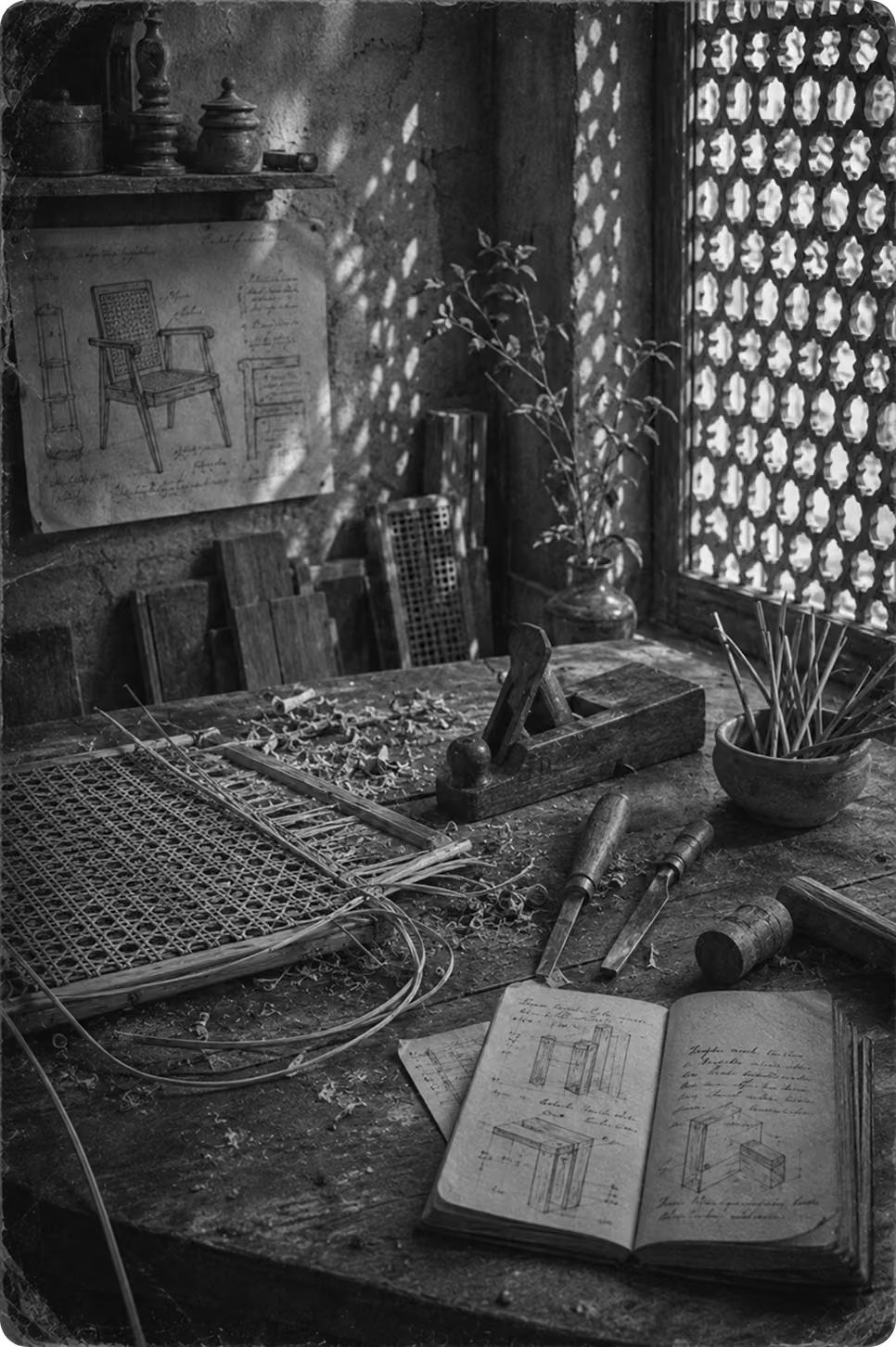
A piece of handmade furniture carries a sense of time within it. You can see it in the weave of a cane. You can feel it in the texture of wood. You can notice it in the small details that reveal the work of skilled hands.
Modern life moves quickly. Furniture can be designed, manufactured, shipped, and placed inside a home within a remarkably short period. This speed has transformed the way people furnish their spaces.At the same time, a growing appreciation for craftsmanship has created renewed interest in objects made with patience. This movement is often described as slow craft.Slow craft values the process behind an object. It gives importance to the material, the maker, the technique, and the time required to create the finished piece.
Cane weaving fits naturally into this philosophy. A craftsman works strand by strand. The pattern develops gradually across the surface. The hands maintain the tension and direction of the weave. A simple panel becomes the result of hundreds of deliberate movements.
Woodworking carries its own rhythm. The material needs to be selected, shaped, sanded, joined, and finished. The grain becomes part of the visual identity of the final piece. These processes create an interesting relationship between time and furniture.A handmade piece carries evidence of its making. The texture gives the eye something to explore. The weave creates rhythm. The wood grain provides natural variation. The furniture feels connected to the hands that created it.
This appreciation for craftsmanship has deep roots across the world. Persian carpets, Japanese ceramics, Indian textiles, European woodworking, and Southeast Asian weaving traditions all demonstrate the value of skilled hands. Each craft carries knowledge that passes from one generation to another.
Cane furniture belongs to this larger history of human making. Its beauty comes from a material that has been shaped through knowledge and patience. The renewed interest in handmade furniture also reflects a change in the way people think about their homes. A home can become a collection of objects with stories. Each piece can contribute texture, memory, and personality to the space.
A handwoven cane sofa can become the centre of conversations. A wooden cabinet can hold objects collected throughout a lifetime. A four poster bed can become part of the daily rhythm of a household.
The furniture becomes connected to living. Slow craft gives us a reason to look closer. It invites us to notice the material and understand the work behind it. It reminds us that beautiful objects can carry time within their surfaces.
A woven strand can represent a single movement of the hand. Thousands of those movements can become a piece of furniture. That is the quiet power of craft.
